


Your air conditioning system is vital to maintaining comfort in your home, especially during the warmer months. However, like any mechanical system, your AC unit has a lifespan and may need to be replaced over time. Recognizing the early warning signs can help you avoid uncomfortable downtime and prevent costly repairs. Below are key indicators that it might be time to contact a professional HVAC contractor for an AC replacement.
1. Age of Your AC System
The age of your air conditioner is one of the most reliable predictors of when it may need to be replaced. Most residential systems have a lifespan of 10–15 years with proper maintenance. If your unit is approaching or has exceeded this range, replacing it could offer better energy efficiency and savings in the long run.
2. Frequent Repairs
Have you been scheduling repair after repair for your AC? Constant breakdowns or repeated issues often indicate a system nearing the end of its life cycle. Over time, repair costs can easily add up and exceed the investment in a new, energy-efficient unit.
- Tip: Track how much you’ve spent on repairs over the past two years. If it’s more than half the cost of a new system, consider replacing it instead.
3. Reduced Cooling Performance
If your air conditioner struggles to maintain consistent temperatures across rooms or fails to cool as effectively as before despite regular servicing, this could signal an aging or failing unit.
Common cooling performance issues include: – Weak airflow from vents. – Inability to reach thermostat setpoints. – Inconsistent cooling across different parts of your home.
4. Rising Utility Bills
Older systems tend to lose efficiency as components wear out over time. If you’ve noticed rising energy bills without any changes in usage patterns, it could be due to an inefficient AC system working harder than necessary.
| Symptom | Possible Cause | Solution |
| Higher energy bills | Aging or inefficient components | Consider upgrading to an ENERGY STAR-certified model |
| Uneven cooling | Failing compressor or duct issues | Consult with an HVAC contractor for diagnosis |
5. Unusual Sounds or Odors
Unusual noises such as grinding, rattling, or squealing could indicate major internal component failures that may not justify repair costs on an older unit. Additionally, strange odors like burning smells may signify electrical problems that require immediate attention from a professional.
6. Refrigerant Type (R-22 vs R-410A)
If your current system uses R-22 refrigerant (commonly known as Freon), be aware that this refrigerant is being phased out due to environmental concerns. Replacing a unit reliant on R-22 is often more cost-effective than retrofitting it with new refrigerant-compatible parts.
Advantages of Timely AC Replacement with Orlando, FL HVAC Service
- Improved Energy Efficiency: Modern systems use advanced technology for better performance at lower operational costs.
- Enhanced Comfort Levels: New units provide consistent cooling and improved humidity control.
- Reduced Maintenance Costs: Say goodbye to frequent repairs and service calls caused by aging equipment.
- Environmental Impact: Newer models are designed with eco-friendlier refrigerants and higher SEER ratings (Seasonal Energy Efficiency Ratio).
By recognizing these warning signs early and consulting with an experienced HVAC contractor, you can ensure uninterrupted comfort while optimizing long-term costs and efficiency in your home climate control system.
How Orlando AC Repair Services Can Address Uneven Cooling in Your Home
Uneven cooling is a common issue that many homeowners face, especially during the warmer months. It can lead to uncomfortable living spaces, increased energy bills, and a strain on your HVAC system. Understanding the root causes of uneven cooling and knowing how an HVAC contractor can help are essential steps to rectifying the problem.
How to Fix Uneven Cooling with Orlando Air Conditioning Repair
- Air filters trap dust, debris, and allergens from circulating in your home. Over time, these filters can become clogged, reducing airflow and causing certain areas of your home to feel cooler or warmer than others.
- A system that’s too large or too small for your space may fail to distribute cool air evenly throughout your home. Oversized systems tend to short-cycle, while undersized ones may struggle to cool larger areas effectively.
- Over time, ductwork can develop gaps or cracks that allow conditioned air to escape before reaching its intended destination. This results in uneven cooling and wasted energy.
- Furniture placement or intentional vent closures can obstruct airflow in certain rooms while leaving other areas overly cooled.
- Inadequate insulation in walls, attics, or crawl spaces causes cold air to escape and heat to seep into certain parts of your home.
- Older HVAC systems often degrade in efficiency over time and may struggle to maintain consistent temperatures across all zones.
How an HVAC Contractor Can Help
- Comprehensive System Inspection
Contractors begin by assessing your system as a whole—evaluating ductwork integrity, thermostat functionality, and unit performance. - Duct Sealing Services
They use advanced sealing methods like aerosol sealants to fix leaks within ducts that contribute to inconsistent airflow. - Balancing Airflow
Professionals ensure proper balancing by adjusting dampers within ducts or modifying registers for optimal air distribution across floors or rooms. - Upgrading Equipment
If your system is outdated or poorly sized for your home’s needs, contractors may recommend upgrading to a more efficient model tailored specifically for your space requirements. - Installing Zoning Systems
For homes with persistent temperature disparities between levels (e.g., upstairs vs downstairs), zoning systems enable better control by dividing the house into temperature-controlled zones.
Preventative Maintenance Tips
- Replace air filters every 1–3 months depending on usage.
- Schedule regular maintenance checks with an HVAC professional.
- Inspect ducts annually for signs of damage.
- Avoid blocking vents with furniture or rugs.
- Seal gaps around windows and doors with weatherstripping for improved insulation efficiency.
| Problem | Potential Solution | Role of Contractor |
| Blocked Filters | Replace filters regularly | Provides filter recommendations |
| Leaky Ducts | Seal gaps/cracks | Conducts professional duct-sealing services |
| Improper Sizing | Resize system | Evaluates current setup; recommends upgrades |
| Zoning Issues | Install zoning systems | Designs tailored multi-zone systems |
By understanding these causes and working with a qualified contractor, you’ll achieve consistent comfort throughout your home while enhancing energy efficiency and extending the life span of your HVAC system.
How an HVAC Company Orlando Residents Trust Can Solve Uneven Cooling Issues
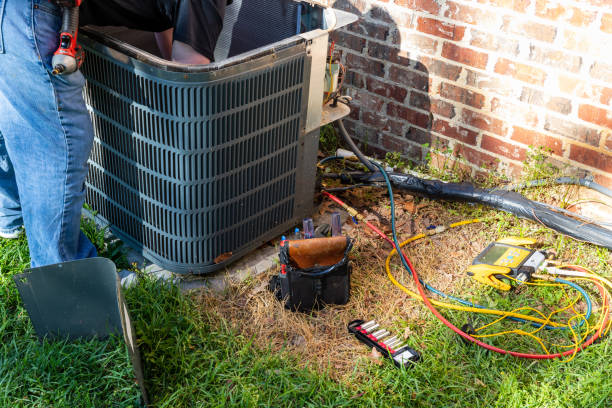
Uneven cooling is one of the most common frustrations for homeowners, leaving some rooms too cold while others feel uncomfortably warm. While it may seem like a minor inconvenience, uneven cooling often points to underlying issues in your HVAC system that need to be addressed by a professional contractor. Here’s a closer look at the potential causes of uneven cooling and how an HVAC contractor can assist.
Common Causes of Uneven Cooling
- Blocked or Dirty Air Vents: Dust and debris can accumulate in vents over time, preventing proper airflow to certain areas.
- Improperly Sized HVAC System: An undersized or oversized unit can struggle to maintain consistent temperatures across your home.
- Leaky Ductwork: Cracks or gaps in air ducts lead to energy loss, which reduces airflow to specific zones.
- Thermostat Placement Issues: A thermostat located in an area with unusual temperature fluctuations may provide inaccurate readings, leading to uneven cooling throughout the home.
- Poor Insulation: Insufficient insulation allows cool air to escape certain rooms while warm air seeps inside, disrupting overall comfort levels.
Signs You May Have Uneven Cooling Issues
- Hot and cold spots in different rooms at the same time
- Significant differences in temperature between floors (e.g., upstairs versus downstairs)
- Rooms that remain uncomfortable no matter how much you adjust the thermostat
- Higher-than-usual energy bills due to inefficient operation
How an HVAC Contractor Can Help
- System Evaluation: Contractors perform comprehensive inspections of your system, including ductwork, vents, insulation, and equipment sizing.
- Ductwork Repairs and Sealing: If leaks or damage are detected within the duct network, they’ll repair or seal them to ensure optimal airflow.
- Balancing Airflow: Professionals can adjust dampers within your ductwork or create zoning systems tailored for better temperature control across different areas.
- Upgrading Thermostats: An advanced thermostat with zoning capabilities could be installed to better regulate temperatures in specific parts of the home.
- System Replacement Recommendations: If the problem stems from a poorly sized or outdated unit, they’ll recommend an appropriately sized replacement system.
Preventing Future Issues
| Task | Frequency | Benefits |
| Regular Filter Changes | Every 1–3 months | Ensures unobstructed airflow |
| Duct Cleaning | Every 3–5 years | Reduces dust buildup blocking vents |
| Seasonal Maintenance | Twice per year | Keeps all components functioning well |
| Insulation Upgrades | As needed | Minimizes energy waste |
By understanding and addressing uneven cooling issues promptly with professional help, homeowners not only improve their comfort but also enhance their system’s efficiency and lifespan—a win-win scenario for any household budget.
Why Short-Cycling in Your AC System Requires Expert Attention from an HVAC Contractor
Short-cycling is a common but potentially serious issue that affects air conditioning systems. This problem occurs when your AC system turns on and off frequently without completing a full cooling cycle. Not only does short-cycling lead to discomfort, but it can also result in increased energy consumption, higher utility bills, and premature wear-and-tear on your system. Understanding why short-cycling happens and the importance of professional intervention is crucial for maintaining the efficiency and longevity of your HVAC system.
Common Causes of Short-Cycling
- Dirty Air Filters: When filters are clogged with dirt and debris, airflow becomes restricted, causing the system to overheat and shut off prematurely.
- Oversized AC Unit: An improperly sized unit may cool your home too quickly, leading to frequent on-off cycles that strain the system.
- Low Refrigerant Levels: Insufficient refrigerant can cause the evaporator coil to freeze, forcing the system to cycle abnormally.
- Thermostat Issues: A faulty or poorly placed thermostat may misread indoor temperatures, triggering unnecessary cycles.
- Electrical Problems: Malfunctioning relays or loose wiring within the unit can disrupt normal operation.
Risks Associated with Ignoring Short-Cycling
| Risk | Impact |
| Increased Energy Bills | Frequent cycling consumes more electricity, driving up monthly costs. |
| Reduced System Lifespan | Continuous strain on components leads to early breakdowns. |
| Inefficient Cooling | Inconsistent temperature regulation results in discomfort. |
| Potential Safety Hazards | Electrical malfunctions during cycling may pose fire risks over time. |
Why You Need an HVAC Professional
- Thorough Diagnostics
Contractors perform comprehensive inspections to identify underlying causes such as refrigerant leaks, electrical issues, or incorrect thermostat placement. - Proper Sizing Evaluations
If short-cycling stems from an oversized AC unit, professionals recommend suitable replacements or adjustments tailored to your home’s cooling needs. - Efficient Repairs & Maintenance
Whether it’s cleaning coils, replacing air filters, or repairing wiring faults, contractors ensure all fixes are implemented correctly for long-term performance. - Proactive Solutions
Experts also provide maintenance plans that prevent future occurrences by keeping your system in optimal condition year-round.
Steps You Can Take Before Calling a Contractor
- Check if the thermostat is functioning correctly or set at an appropriate temperature.
- Replace dirty air filters every 1–3 months based on usage.
- Inspect outdoor units for obstructions like debris or vegetation that might block airflow.
Addressing short-cycling promptly with the right expertise not only ensures comfort but also saves money in energy costs while safeguarding your HVAC investment over time.
The Role of an HVAC Contractor in Addressing Spikes in Utility Bills and Improving Efficiency
Common Causes of Utility Bill Spikes
- Dirty air filters restrict airflow, forcing your system to work harder.
- Lack of regular tune-ups can lead to reduced efficiency and higher energy consumption.
- Older systems tend to lose efficiency over time, requiring more power to deliver the same results.
- Components such as motors and compressors wear down, increasing energy use.
- Air leaks in ductwork result in conditioned air being lost before it reaches your living spaces.
- This forces your system to run longer cycles, consuming more electricity.
- An undersized system will struggle to maintain comfort levels, leading to overwork and energy waste.
- Conversely, an oversized unit may short-cycle frequently, wasting energy and causing wear.
- A faulty thermostat may cause inaccurate temperature readings or inefficient operation schedules.
- Outdated manual thermostats lack the precision and programmability of newer models.
How an HVAC Contractor Addresses These Issues
- Comprehensive System Inspections: Contractors perform audits that assess all components of your HVAC system, from air filters to ductwork.
- Energy-Efficient Upgrades: They may recommend upgrading outdated equipment with high-efficiency models certified by ENERGY STAR®.
- Duct Sealing Services: To prevent loss of conditioned air, contractors seal leaks in duct systems using advanced materials or techniques.
- Thermostat Replacement: Installing a programmable or smart thermostat optimizes temperature regulation for better efficiency.
- Maintenance Plans: Contractors offer regular service plans that include cleaning coils, lubricating moving parts, and checking refrigerant levels.
Benefits of Improved Efficiency
| Efficiency Improvement | Key Benefits |
| Lower Energy Bills | Reduced operating costs over time |
| Enhanced Comfort | Even temperatures throughout spaces |
| Increased Lifespan | Less strain on components |
| Environmental Impact | Reduced carbon footprint |
Proactive Steps You Can Take as a Homeowner
- Replace air filters every 1–3 months for optimal airflow.
- Keep vents unobstructed by furniture or curtains.
- Use ceiling fans strategically to complement cooling efforts.
- Set thermostat temperatures slightly higher during summer and lower during winter when away from home.
An experienced HVAC contractor not only identifies problems but also helps create long-term strategies for managing energy consumption effectively. By addressing spikes in utility bills early on and improving system performance, you can maintain comfortable living conditions while enjoying significant savings.
- Signs You Need a New AC Unit: Tips from an AC Repair Company Orlando FL
- How to Choose the Best AC Repair Company Orlando FL When Your Unit Needs Replacement
- Top 10 Signs You Should Call an AC Repair Company Orlando FL for Replacement
- Expert Orlando AC Repair Services to Extend the Life of Your Air Conditioning System
- Identifying When to Call an AC Repair Company Orlando FL for Replacement Services
- Top Signs You Need Orlando AC Repair or a Complete HVAC Replacement
- How to Choose the Best AC Repair Company Orlando FL for Replacing Your Air Conditioning System
- Finding the Best AC Repair Company Orlando FL: Top Signs You Need Professional Replacement
- Identifying When You Need Orlando AC Repair and Expert HVAC Assistance